

If you poll a dozen new homeowners in Singapore about their biggest renovation regrets, you’ll hear a familiar chorus: “I wish I didn’t build that platform bed,” “Cleaning the grouting is a nightmare,” or “We ran out of budget before we could buy a proper sofa.”
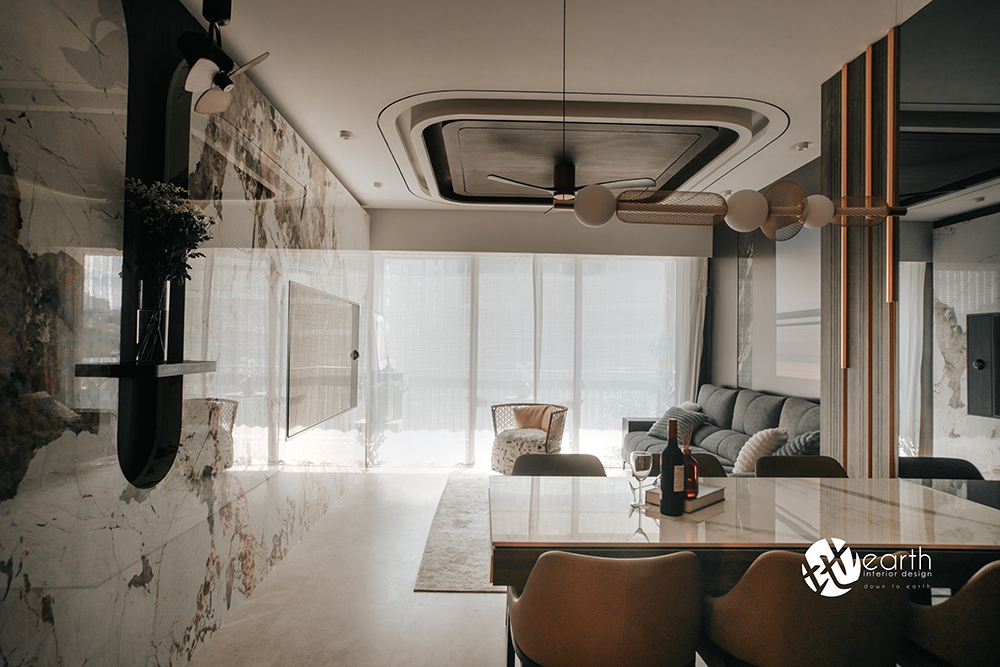
When you get your keys, it is incredibly easy to get swept up in Pinterest boards, Scandinavian aesthetics, and dramatic before-and-after TikToks. But if you want to avoid a renovation money-pit, the absolute best piece of advice is this: Prioritize invisible infrastructure over cosmetic features, and ruthlessly cut back on built-in carpentry.
Here is how to apply this golden rule to your new BTO or resale flat to save your sanity, your wallet, and your future home.
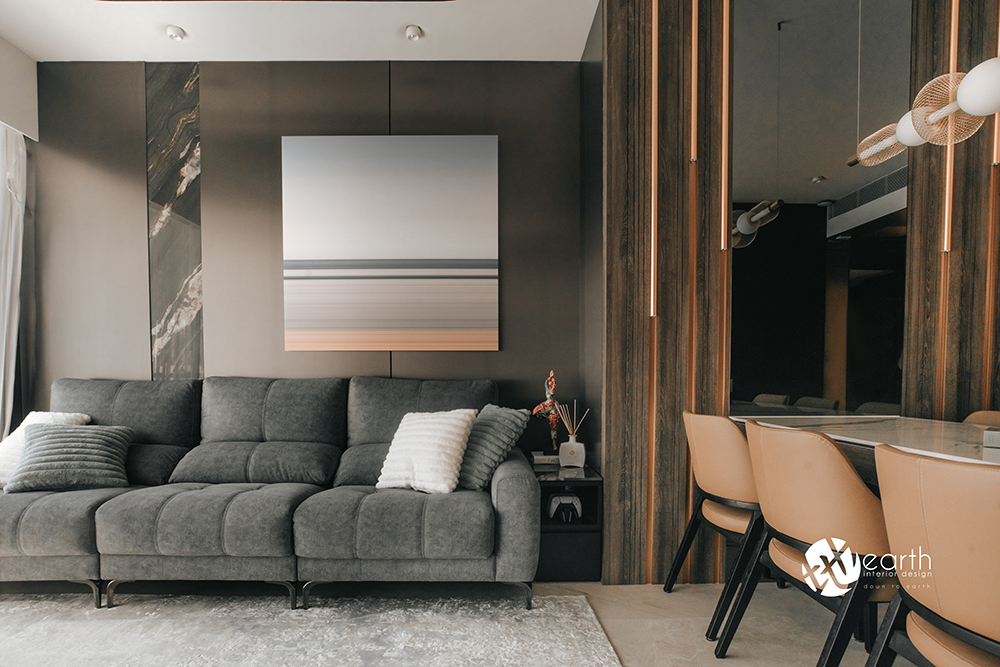
1. Focus on the “Invisible Assets” First
A beautiful home that functions poorly is a stressful home. Long before you pick out paint swatches or feature walls, lock down the things hidden behind the scenes.
- Future-Proof Your Electrical Plan: You will never complain about having too many power outlets, but you will curse the day you have to run ugly extension cords across your pristine flooring. Think ahead: add double sockets near your bedside tables, power points inside your vanity cabinets (for electric toothbrushes), and an outlet inside your utility closet for charging a cordless vacuum.
- Respect the Singapore Climate: Our relentless humidity ruins cheap materials fast. Standard ceiling paint in a poorly ventilated bathroom will sprout black mold within two years. Spending a little extra on anti-molding paint, high-grade moisture-resistant cabinetry carcasses for the kitchen, and proper quartz countertops will save you thousands in replacements later.
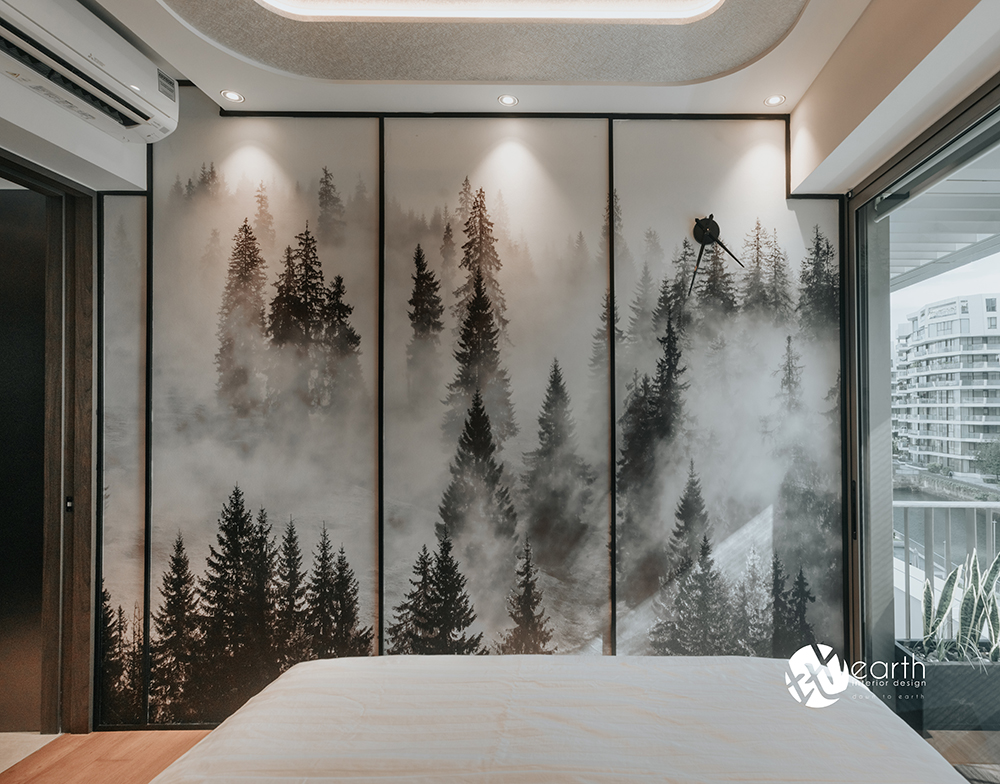
2. Beware the “Carpentry Creep”
Built-in carpentry is the single biggest budget-killer in Singapore renovations, easily swallowing 30% to 50% of a contractor’s quote. Worse, it anchors your home to a single layout forever.
Instead, adopt a strict Minimal Built-In Filter:
- The Essentials Only: Limit custom carpentry to high-utility areas—your kitchen cabinets and your master bedroom wardrobe.
- Embrace Loose Furniture: Use modular or loose furniture for TV consoles, study desks, and living room shelving. Not only is it significantly cheaper than custom carpentry, but it also allows your home to evolve. If you decide to convert a study into a nursery three years from now, you can simply move the furniture out rather than paying a contractor to hack down permanent fixtures.
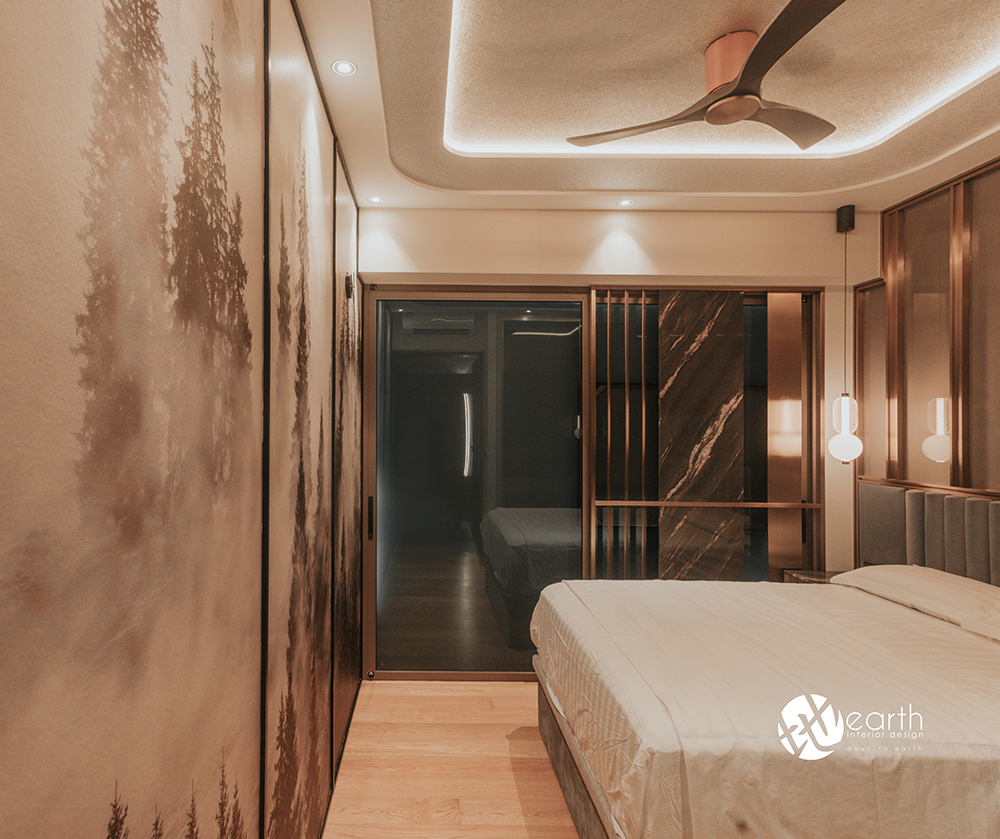
3. High-Maintenance Traps vs. Smart Alternatives
When selecting finishes, always balance looks with longevity. Swap out high-effort materials for choices that handle daily Singapore life effortlessly:
- Kitchen Counters: Skip real marble or porous solid surfaces, which stain instantly from coffee, tea, or turmeric. Opt for Quartz or Sintered Stone instead—they resist stains, don’t scratch easily under heavy cooking, and require zero sealing.
- Living Room Floors: Avoid solid timber, which easily scratches, fades in direct sunlight, and can warp or expand in high humidity. Choose High-Spec Vinyl (SPC) or Porcelain Tiles for a floor that handles heavy foot traffic and spills without breaking a sweat.
- Bathroom Walls: Steer clear of tiny mosaic tiles or intricate brick-joints. The massive amount of exposed grouting creates an endless breeding ground for mold. Stick to Large-Format Tiles (60x60cm or larger) to drastically reduce grout lines and save hours of weekly scrubbing.

The Golden Rule of Reno Budgeting
No matter how precise your Interior Designer’s quotation looks on paper, always keep a 15% cash contingency buffer entirely separate. Hidden structural surprises, mandatory HDB hacking rectifications, or last-minute electrical changes happen in almost every project. Having that cash cushion ensures your renovation finishes with a smile, not a scramble.